
08 April 2026
The Complete Camping Kitchen Setup Guide: Essential Cookware & Utensils to Carry
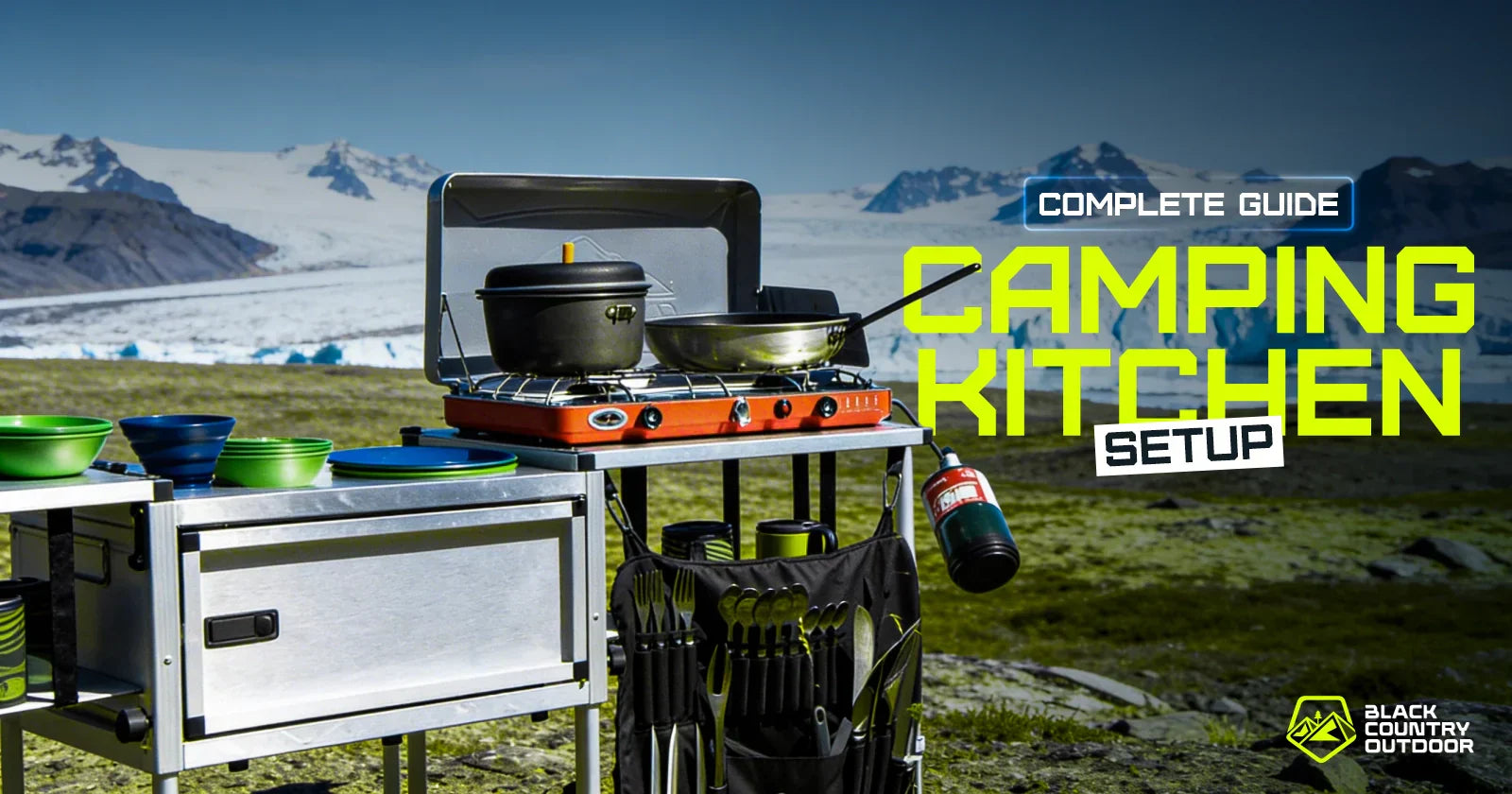
There's nothing quite like the disappointment of arriving at camp, hungry after a long day, only to realize you forgot the can opener. Or trying to cook pancakes on a wobbly stove with a plastic fork that's already melting. We've been there.
At Blackcountryoutdoor, we specialize in curating the best camping cookware and utensils from top outdoor brands, so you don't have to guess what works. Whether you're a gram-counting backpacker or a car camper who wants full kitchen functionality in the woods, this guide will help you build a camp kitchen that packs down small, sets up fast, and actually makes outdoor cooking enjoyable.
By the end of this guide, you'll know exactly what gear matches your camping style, how to organize it efficiently, and which pieces deserve a spot in your pack.
First, Know Your Camping Style
Not every camper needs the same kitchen setup. Before you buy a single spork, identify which category fits you:
The Backpacker
- Multi-day hikes where every ounce matters
- Needs: Ultralight titanium cookware, nesting designs, multi-functional tools
- Pack size: Everything fits in one stuff sack
The Car Camper
- Weekend trips with vehicle access
- Needs: Full cookware sets, sturdy utensils, organized storage bins
- Pack size: One dedicated "kitchen bin" or tote
The Van Lifer
- Extended travel, cooking daily on the road
- Needs: Durable daily-use items, compact storage, easy cleaning
- Pack size: Built-in galley storage or dedicated drawers
Knowing your style prevents the two biggest camp kitchen mistakes: over-packing "just in case" gear, or under-packing and improvising with unsafe tools.
The Five Core Components of Every Camp Kitchen

1. Cooking Vessels: Pots, Pans & Kettles
Your cookware is the foundation. Here's what to consider:
Essential Pieces:
- One pot (750ml-1.5L depending on group size) for boiling water and cooking meals
- One frying pan for eggs, pancakes, or sautéing
- Kettle for coffee, tea, or quick hot water
Material Options:
- Titanium: Ultralight, heats fast, expensive, but lasts forever. Best for backpackers.
- Stainless Steel: Durable, affordable, heavier. Great for car camping.
- Aluminum: Lightweight, budget-friendly, less durable. Good for occasional use.
- Non-stick Coated: Easy cleanup, requires careful handling. Ideal for cooking real meals.
Pro Tip: Look for nesting sets where pots, pans, and plates stack together. Some sets even include space inside for a stove and fuel canister.
Featured Gear: Browse our titanium pot collections and nesting cookware sets designed to maximize space efficiency.
2. Heat Source: Stoves, Grills & Fire
You need reliable heat that works in wind and rain.
Portable Stove Options:
- Canister Stoves: Screw onto fuel canisters, compact, and easy to use. Best for backpacking.
- Liquid Fuel Stoves: Work in extreme cold, refillable bottles. Better for international travel or winter camping.
- Alternative Fuel Stoves: Use wood, alcohol, or solid fuel tablets. Great for ultralight minimalists.
Campfire Cooking:
- Grill grates turn any fire ring into a cooking surface
- Tripods and Dutch oven hooks for slow cooking over coals
- Always check fire restrictions in your area
Wind Protection: Look for stoves with built-in windscreens or carry a folding wind shield. A breeze can double your cooking time and fuel consumption.
Featured Gear: Check out our portable stove selection and compact grill grates for open-fire cooking.
3. Utensils & Tools: The Small Stuff That Matters
This is where most campers go wrong. That plastic spork from the grocery store? It'll break by day two. That full kitchen utensil drawer you're tempted to bring? You'll use three items.
The Essential List:
- Spork or Full Cutlery Set: Titanium sporks are the ultralight standard. For car camping, invest in a proper fork, spoon, and knife set that feels like home.
- Spatula: Essential for pancakes, eggs, and stir-fries. Folding or detachable handles save space.
- Tongs: For grilling, serving, and avoiding burnt fingers. Longer is better for fire cooking.
- Ladle or Large Spoon: For soups, stews, and serving
- Cutting Board: A roll-up or foldable board protects your knife and provides a clean prep surface.
- Can Opener / Bottle Opener: The most forgotten item. Many multi-tools include these.
- Sharp Knife: A dedicated camp knife or quality multi-tool. Keep it sharp and stored safely.
Multi-Tool Strategy: A quality multi-tool can replace three or four single-purpose items. Look for combinations like spork-plus-knife or spatula-with-built-in-tongs.
Featured Gear: Explore our titanium sporks, multi-functional utensils, compact cutlery sets, and roll-up cutting boards.
4. Serving & Eating: Plates, Bowls & Cups
Eating from the pot saves dishes. But for group camping or when you want to feel civilized, proper serving ware helps.
Material Breakdown:
- Bamboo: Lightweight, sustainable, naturally antimicrobial. Not for direct fire use.
- Titanium: Indestructible, ultralight, transfers heat (careful with hot liquids).
- Enamel: Classic camping aesthetic, heavy, chip-resistant, but not unbreakable.
- Silicone: Collapsible, lightweight, great for space-saving. Can retain odors.
The Nesting Approach: Choose plates and bowls that stack inside your cookware. Some titanium pots are designed specifically to hold matching cups and bowls.
Insulated Cups: For coffee and tea lovers, a double-wall insulated cup prevents burned lips and keeps drinks warm longer.
Featured Gear: Shop our bamboo plate collections, titanium cups, and collapsible silicone bowls.
5. Food Storage & Cleanup
A good camp kitchen includes the full lifecycle prep, cook, eat, clean, and store.
Storage Essentials:
- Sealed Containers: Keep critters out and food fresh. Look for stackable, leak-proof designs.
- Spice Kit: Mini containers or a pre-made spice kit transform camp meals.
- Cooler Organization: Use separate containers for raw meat, produce, and prepared foods.
Cleanup Station:
- Collapsible Sink or Basin: For washing dishes away from water sources
- Biodegradable Soap: Required for Leave No Trace camping
- Scrubber or Sponge: Dedicated camp cleaning tool
- Quick-Dry Towel: Microfiber towels pack small and dry fast
- Trash Bags: Pack out everything you pack in
Drying & Storage: A foldable dish rack or mesh drying bag prevents mold and keeps things organized.
Featured Gear: Find collapsible sinks, compact dish racks, and storage container sets in our camp kitchen collection.
Three Complete Kitchen Setups (Ready to Go)
Not sure how to combine everything? Here are three curated setups available at Blackcountryoutdoor, designed for specific camping styles.
The Minimalist Backpacker Kit
Best for: Solo hikers, thru-hikers, anyone counting every ounce
The Setup:
- 750ml titanium pot (cook and eat from the same vessel)
- Titanium spork with integrated bottle opener
- Ultralight canister stove with windscreen
- Collapsible cup for coffee
- Mini lighter and folding spork backup
Total Weight: Under 2.5 pounds including fuel
Why It Works: Every item serves multiple purposes. The pot is your bowl, plate, and cooking vessel. The spork is your utensil and bottle opener. You can boil water for dehydrated meals or cook simple one-pot recipes.
The Weekend Warrior Kit
Best for: Couples or small families, car camping, 2-4 people
The Setup:
- 2-person nesting cookware set (2 pots, 1 pan, lids that double as plates)
- Full utensil set: spatula, tongs, ladle, serving spoon
- Folding cutlery set for 4 people
- Roll-up bamboo cutting board
- 9-inch chef's knife with protective sheath
- Collapsible sink with drain
- Quick-dry microfiber towels
- Spice kit with 6 compartments
Storage: Fits in one 18-gallon plastic bin with room for a stove and fuel
Why It Works: You can cook real meals, pancakes, stir-fries, and pasta dishes without bringing your entire home kitchen. The nesting design keeps everything organized, and the dedicated cleanup kit means you're not improvising with bandanas and creek water.
The Basecamp Chef Kit
Best for: Car camping, group camping, van life, anyone who prioritizes cooking experience over weight
The Setup:
- Full stainless steel or titanium cookware collection (4+ pieces)
- Portable grill grate for open-fire cooking
- Complete bamboo serving set (plates, bowls, cups for 4-6 people)
- Full utensil arsenal, including whisk, can opener, and corkscrew
- Pour-over coffee maker or French press
- 1.5L kettle
- Folding prep table
- Camp apron with pockets
- Collapsible dish rack and full cleaning kit
- Spice kit and oil containers
Storage: Dedicated "kitchen bin" system or built-in van drawers
Why It Works: This is for the camp cook who wants to prepare multi-course meals. You can grill steaks over the fire, brew proper coffee, and serve dinner on real plates. It's not light, but for vehicle-based camping, the experience is worth it.
Organization & Packing Strategies
For Backpackers:
- Use one stuff sack for your entire kitchen
- Nest the stove and fuel inside your pot
- Wrap utensils in your bandana or pack towel to prevent rattling
- Store matches/lighter in a waterproof container inside the kit
For Car Campers:
- Designate one bin as "The Kitchen" and never raid it for other purposes
- Use smaller containers or zip bags to group: cooking, serving, cleaning, pantry
- Keep a printed checklist taped inside the bin lid
- Store fuel separately in a ventilated area
For Van Lifers:
- Build or buy drawer systems that keep everything secure while driving
- Use non-slip drawer liners to prevent rattling
- Create a "grab and go" kit for when you want to cook outside the van
- Install magnetic strips for knives and metal utensils
Cleaning & Maintenance Tips
Daily Camp Cleaning:
- Scrape food scraps into trash (pack out) or fire (where permitted)
- Wash dishes 200+ feet from water sources
- Use biodegradable soap sparingly; a little goes a long way
- Dispose of gray water in a sump hole or scatter widely away from camp
Gear Maintenance:
- Dry titanium and stainless steel completely before storing to prevent water spots
- Oil wooden and bamboo items occasionally with food-safe mineral oil
- Store sharp knives in protective sheaths
- Check fuel canisters for leaks before packing
End-of-Season Care:
- Deep clean all cookware with baking soda paste
- Inspect and replace worn utensils
- Restock consumables: soap, sponges, fuel, spices
- Store in a dry place to prevent mold and rust
Common Mistakes to Avoid
- Over-Packing "Just In Case" You don't need three pots for a two-person trip. You don't need a full spice rack when salt, pepper, and garlic powder cover 90% of camp cooking. Be ruthless; if you didn't use it on the last trip, leave it at home.
- Forgetting the Little Things The can opener. The corkscrew. The lighter that actually works. These small items derail more camp meals than bad weather. Keep a dedicated "essentials" pouch that never leaves your kitchen kit.
- Incompatible Gear Sizes: That beautiful frying pan you bought? It doesn't fit on your stove's pot supports. That large pot? It won't nest with your other cookware. Check dimensions and compatibility before buying.
- Ignoring Wind and Weather Open flames and wind don't mix. A stove without a windscreen will waste fuel and frustrate you. Always have a backup plan for cooking in rain, whether that's a tarp setup or a stove that works in wet conditions.
- Poor Food Storage: Leaving food accessible attracts wildlife. Even if you're in a campground with bear boxes, rodents and birds will find unsecured food. Invest in proper containers and always follow local food storage regulations.
Frequently Asked Questions
1. What's the best material for camping cookware?
Titanium if you prioritize weight, stainless steel if you prioritize durability and cost, and aluminum for budget-conscious occasional campers. For most backpackers, titanium offers the best long-term value despite the higher upfront cost.
2. How many utensils do I really need?
For solo backpacking: one spork. For couples: two sporks or a basic cutlery set. For car camping groups: a full set including spatula, tongs, and serving spoon. The more complex your meals, the more specialized tools you'll want.
3. Can I use regular kitchen gear for camping?
You can, but it's usually heavier, bulkier, and less durable. Camp-specific gear is designed to nest, collapse, and withstand outdoor conditions. That said, for car camping, a few items from home (like a good chef's knife) can supplement your kit.
4. How do I clean titanium camping utensils?
Titanium is easy, warm water, and mild soap. For stubborn residue, soak in hot water first. Avoid abrasive scrubbers that can scratch the finish. Titanium is dishwasher safe when you get home.
5. What's the most forgotten camp kitchen item?
The can opener, followed closely by a lighter that works. Pack backups of both.
Your Camping Kitchen Checklist
Cooking
- Pot(s) with lid(s)
- Frying pan
- Kettle (optional)
- Stove and fuel
- Windscreen
Utensils
- Spork or cutlery set
- Spatula
- Tongs
- Ladle or large spoon
- Cutting board
- Knife
- Can/bottle opener
Serving
- Plates or bowls
- Cups or mugs
- Serving utensils
Storage & Prep
- Food containers
- Spice kit
- Cooler (if needed)
Cleanup
- Collapsible sink or basin
- Biodegradable soap
- Scrubber or sponge
- Quick-dry towels
- Trash bags
Extras
- Lighter or matches (waterproof)
- Repair kit for the stove
- Aluminum foil
- Paper towels or napkins
Conclusion: Build Your Kitchen, Elevate Your Camping
The right camp kitchen doesn't just feed you, it transforms your outdoor experience. When you have gear that works, meals become highlights of the trip rather than chores to endure. When everything has its place, setup and cleanup take minutes, not hours.
At Blackcountryoutdoor, we stock the cookware, utensils, and accessories that serious campers rely on, from ultralight titanium sporks to complete basecamp cooking collections. Whether you're building your first kit or upgrading your current setup, we have the gear to match your style.
Ready to build your perfect camp kitchen? Browse our complete collection of camping cookware and utensils.
[#]
[@]