
10 February 2026
Types of Knife Sharpeners Explained: Which One Is Right for You?
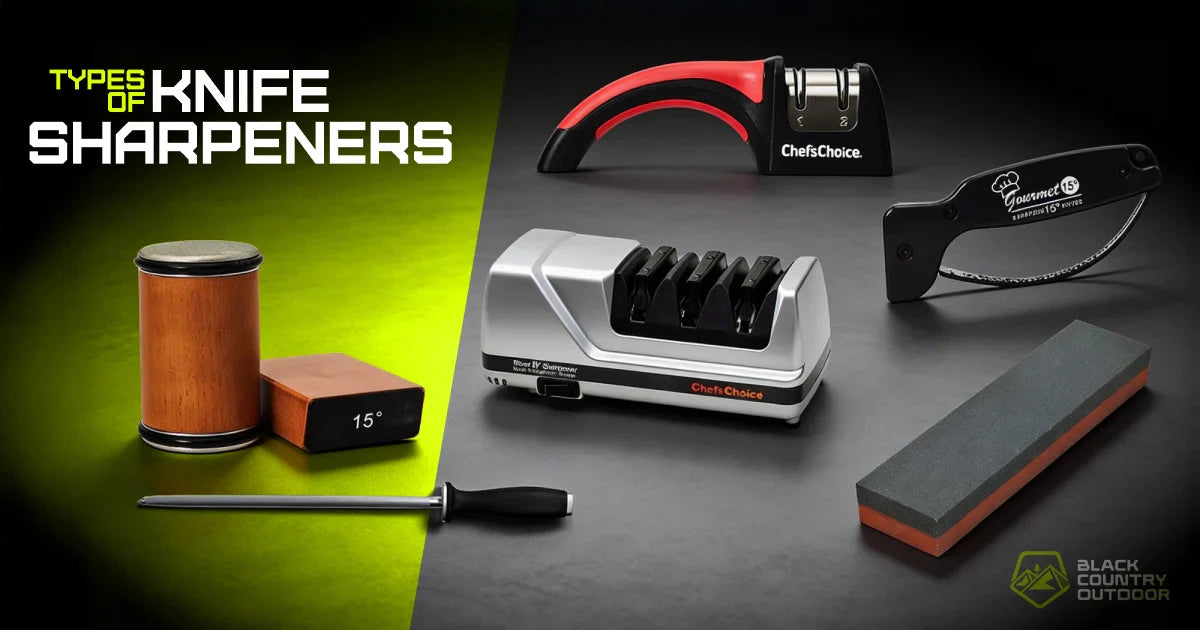
A sharp knife isn’t just about performance; it’s about precision, efficiency, and protecting your blades long term. Whether you’re a home cook, outdoor enthusiast, or someone searching for the best knife sharpener after typing “knife sharpening near me” into Google, choosing the right sharpener makes all the difference.
With so many options on the market, from electric knife sharpeners to knife sharpening stones and compact pocket knife sharpeners, it can be hard to know which one suits your needs. This guide breaks down the different types of knife sharpeners, how they work, and who they’re best for.
1. Knife Sharpening Stones (Whetstones)
A knife sharpening stone is one of the most traditional and precise sharpening tools available. Used by professionals and serious enthusiasts, stones allow full control over edge angle and sharpness.
Best for:
- Chefs and experienced users
- High-quality kitchen knives
- Anyone wanting maximum edge control
Key Benefits:
- Multiple grit options for shaping and polishing
- Long-lasting and versatile
- Ideal for restoring dull blades
If you’re searching for the best kitchen knife sharpener and want pro-level results, a sharpening stone is hard to beat.
2. Manual / Handheld Knife Sharpeners
Handheld sharpeners are among the most popular choices for everyday use. These often feature preset angles using carbide or ceramic slots, making them beginner-friendly.
Best for:
- Home kitchens
- Quick touch-ups
- Beginners learning how to use a knife sharpener
Key Benefits:
- Easy to use
- Affordable
- Compact and portable
Many people looking for “what is a good knife sharpener” end up choosing a handheld option for its simplicity.
3. Electric Knife Sharpeners
An electric knife sharpener takes the guesswork out of sharpening. With motorized abrasive wheels and guided angles, these are perfect for speed and consistency.
Best for:
- Busy households
- Users with multiple knives
- Anyone wanting fast, repeatable results
Key Benefits:
- Consistent sharpening angles
- Minimal effort
- Excellent for regular maintenance
Popular models like the Chef’s Choice knife sharpener are widely trusted in US kitchens for their reliability and performance.
4. Knife Sharpening Rods (Sharpening Sticks)
Often confused with sharpeners, rods are primarily used to realign the blade edge rather than remove metal.
Best for:
- Maintaining sharp knives
- Frequent touch-ups
- Professional and home kitchens
Key Benefits:
- Extends the time between full sharpening
- Simple and fast to use
- Ideal for chefs
If you’re searching “how to use a knife sharpener rod” or “how to sharpen a knife with a sharpening stick”, this is the tool you’re thinking of.
5. Knife Sharpening Kits
A knife sharpening kit offers everything in one system: stones, rods, angle guides, and clamps.
Best for:
- Users who want precision
- Multiple knife types
- Learning proper sharpening techniques
Brands like Lansky knife sharpeners dominate this category thanks to their guided systems and consistent results.
6. Pocket Knife Sharpeners
Compact and lightweight, a pocket knife sharpener is perfect for outdoor use and travel.
Best for:
- Camping and hiking
- Outdoor gear kits
- On-the-go sharpening
Despite their size, many deliver impressive results when used correctly.
Top Knife Sharpener Brands Trusted in the US
These brands dominate the US market due to their reputation for precision and durable construction:
- Smith’s Knife Sharpeners: Known for versatile, user-friendly tools
- AccuSharp Knife Sharpeners: Famous for fast, no-fuss sharpening
- Lansky Knife Sharpeners: Industry leaders in guided sharpening systems
You’ll frequently see these brands recommended when searching for the best knife sharpener online.

Frequently Asked Questions (FAQs)
1. How to use a knife sharpener?
Follow the manufacturer’s instructions, keep consistent pressure, and maintain the correct angle. Most handheld sharpeners simply require pulling the blade through the slot.
2. How to use different types of knife sharpeners?
- Stones require angle control and lubrication
- Handheld sharpeners use preset angles
- Electric sharpeners guide the blade automatically
3. How to sharpen a knife without a sharpener?
In a pinch, the unglazed bottom of a ceramic mug can act like a fine sharpening stone.
4. How to sharpen a knife with a sharpening stone?
Soak the stone, choose the correct grit, and slide the blade at a consistent angle across the surface.
5. How to use a knife sharpener rod?
Hold the rod vertically and draw the blade down and across at a steady angle.
6. How to use Smith’s knife sharpener?
Smith’s sharpeners are typically pull-through designs, placed on a flat surface, and draw the blade through the slot.
7. How to sharpen a knife with a sharpening stick?
This is the same as using a honing rod; gentle strokes maintain the edge.
8. How to use Chef’s Choice knife sharpener?
Insert the blade into the correct stage and pull slowly through, letting the machine do the work.
9. What is a good knife sharpener?
A good knife sharpener matches your skill level, knife type, and how often you sharpen.
10. How to sharpen scissors with a knife sharpener?
Some sharpeners have dedicated scissor slots; always check compatibility first.
11. How to use a handheld knife sharpener?
Place it on a stable surface and pull the blade through the sharpening slot evenly.
12. How to use a Lansky knife sharpener?
Secure the blade in the clamp, choose your angle, and run the sharpening rods evenly across the edge.
13. How to use an electric knife sharpener?
Power it on, select the correct stage, and gently pull the blade through.
Final Thoughts: Choosing the Right Knife Sharpener
The right sharpener depends on how you use your knives, your experience level, and how much control you want. From electric knife sharpeners for speed to knife sharpening stones for precision, there’s a perfect option for everyone.
At BlackCountryOutdoor, understanding these differences helps you make smarter gear choices, whether for the kitchen, outdoors, or everyday use.